Mia Wennerstrand
{{ textTitle }}
{{ textSubtitle }}
{{ p.t }}
{{ p.media }}
{{ credit }}
Audiovisual
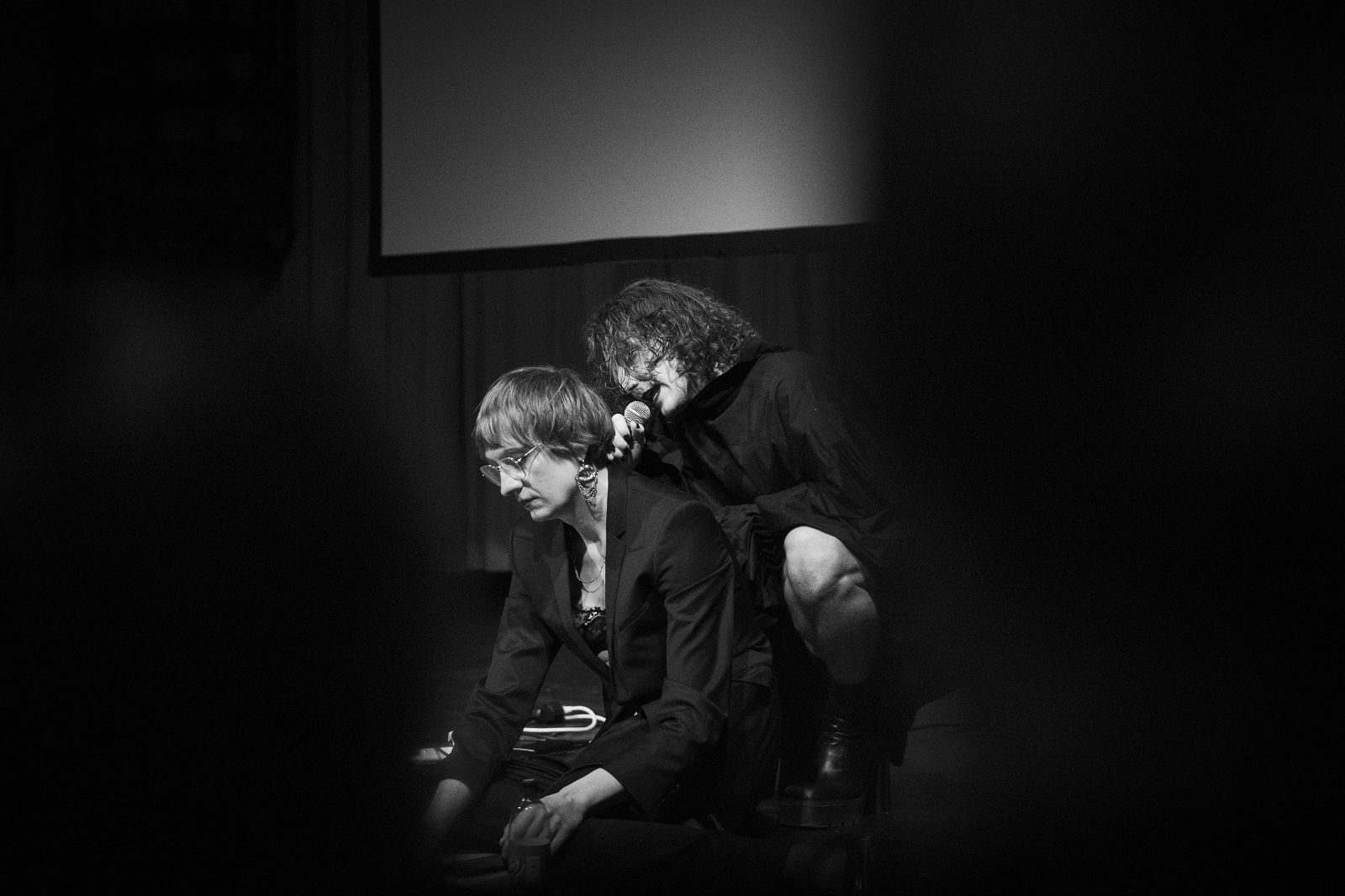
Performance works
2023–2025
Watch on YouTube ↗
Biopolitical Man
2025
Watch on YouTube ↗
NATO Diary
A one-year exhibition that ran from June 2023 to autumn 2024 at Alkovi, Helsinki. Mixing diary entries, posters, and hasty printouts with a memetic takeover of Alkovi’s Instagram, the exhibition was a platform to comment on anything from trans lives to Joe Biden visiting Helsinki.
All images by the author: exhibition documentation and posts made for Alkovi’s Instagram page. Click to enlarge.
Water
2015
.gif video loop, no sound
Made for Utopia Internet Dystopia Pavilion at the Wrong Biennale, 2015. Curated by Valentina Fois.
Grants
2015
Audio
A guide for writing artists’ grants. Created for the digital platform Svilova, curated by Oscar Ramos (2015).
6 Minutes (for Morehshin & Myriam)
2014
10 audio files
Created for the APPART exhibition at Dar-ol-Hokoomeh Project, Shiraz, and Darbast gallery, Iran, December 2014, and Babycastles Gallery, New York, May 2015. Curated by Morehshin Allahyari and Myriam Vanneschi. The work was re-named “2 mins of Northern European .wavs” for the Babycastles exhibition.
{{ tr.n }}
{{ tr.title }}
{{ lightboxImg }}
{{ lightboxCount }}
Contact
Upcoming
I’m working as a dramaturg for JUMALA=RAKKAUS, a performance directed by Saana Pohjonen & Henia Nikkilä. Premiere at Kiasma theatre, 24th of September, 2026.
More info: kiasma.fi
Our last performance of DEATH/WOMAN: an augury at Pori Art Museum. Sunday, 30th of August, 2026. Come through!
More info: poriartmuseum.fi
About
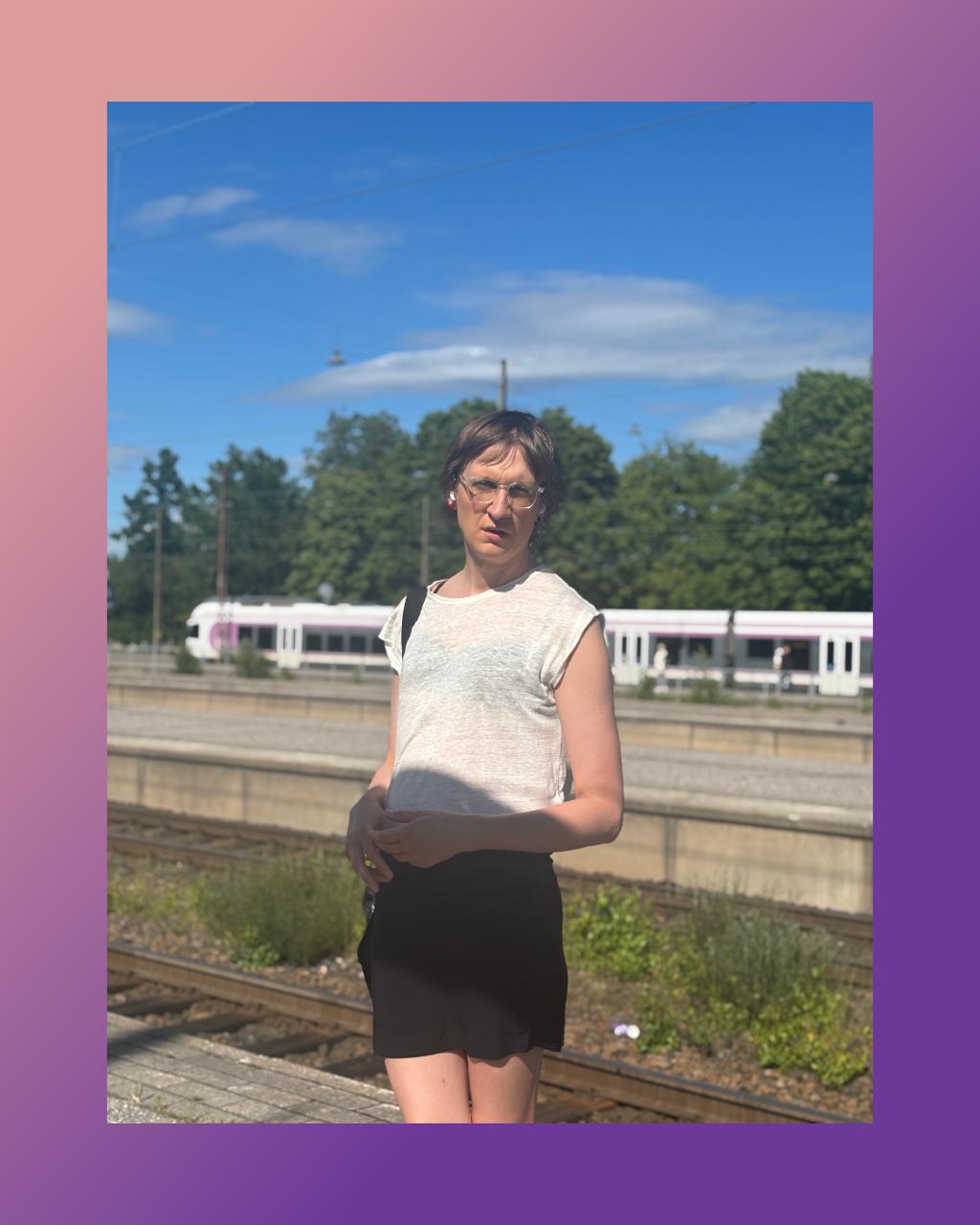
For the past 15 years, Mia Wennerstrand (b. Finland) has created works around intimacy, whether between herself and audience, or the EU and its citizens. Her visual works have been shown at e.g. Assembly Point, London, and Babycastles, New York. Her writing has appeared in DIS magazine, AQNB, and in exhibition catalogs, and art & academic publications both in Finland and internationally. Onstage, she creates temporary sites of thinking differently, or reprieves from “the crisis ordinary”, following Lauren Berlant. Wennerstrand is currently pursuing a PhD in Performance Practices at Gothenburg University, Sweden. She is sun in Cancer, moon in Capricorn, with Virgo ascending.